
HEATWAVE - Ignition Control Box

How it works ?
The HW-IGN-002 pulse ignition control box is an electronic module designed to safely light a gas burner and confirm that a stable flame is present. It performs two key functions:
-
Generate a high-voltage ignition spark
-
Detect flame presence using ionisation feedback
⚡ 1. High-Voltage Pulse Ignition (Spark Creation)
When the system is powered, the control box converts 220 V AC into a short, high-energy pulse of approximately 16 kV using an internal step-up transformer.
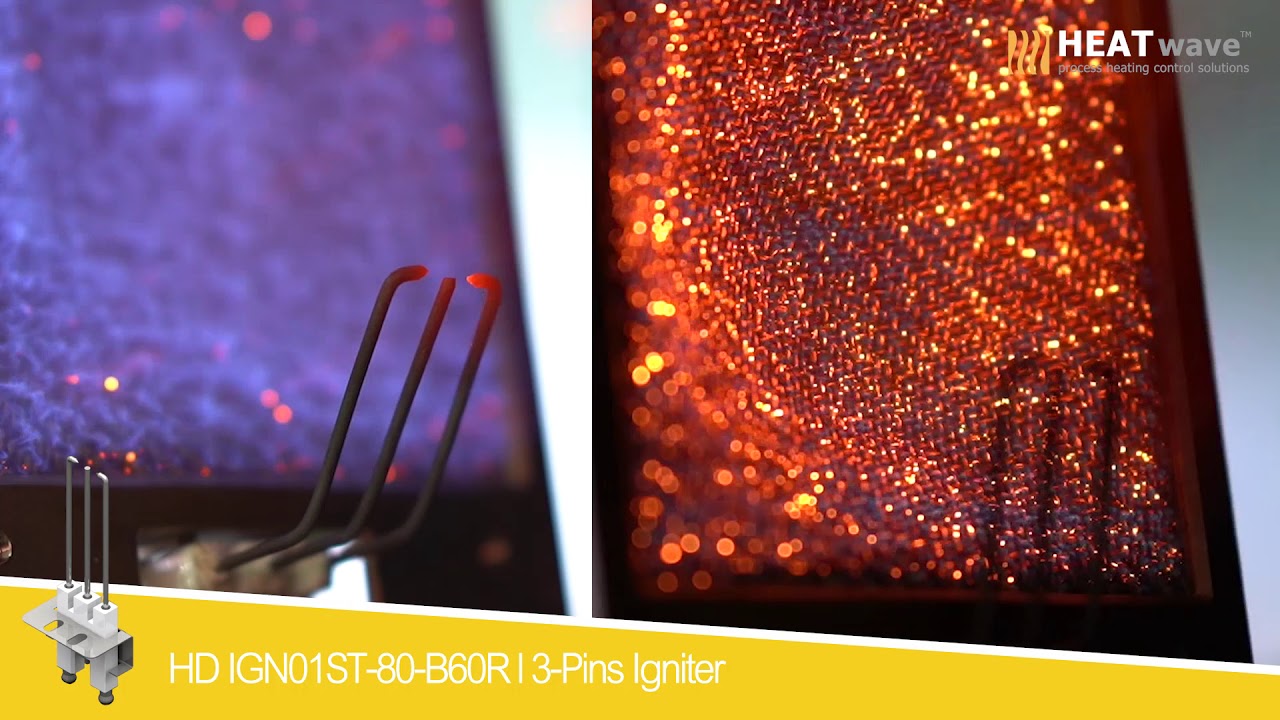
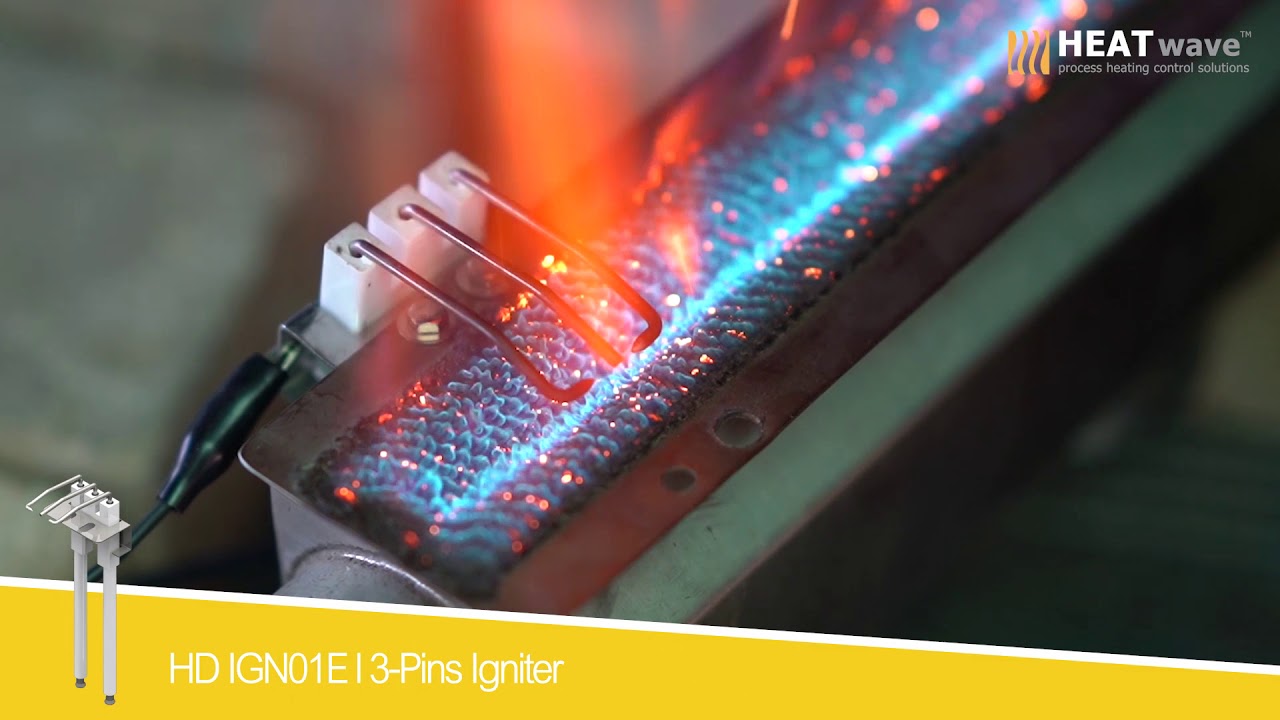
This high-voltage pulse travels through the insulated HV cable (about 1.4 m) to the burner’s ignition electrode.
At the electrode tip, the voltage jumps across a small air gap, producing a spark that ignites the gas-air mixture at the burner.
Key characteristics:
-
High voltage, short duration pulses
-
Designed for reliable ignition even in high-temperature environments
-
Pulsing reduces heat buildup and extends component life
🔥 2. Flame Detection via Ionisation (Flame Sensor Function)
Once the burner ignites, the system must confirm that the flame is stable.
The HW-IGN-002 uses the ionisation principle — a standard method in professional gas appliances.
How ionisation flame sensing works:
-
A real flame contains ionised particles (charged ions).
-
These ions allow a very small electrical current (microamps) to pass between the flame sensor rod and burner ground.
-
When the control box detects this current, it interprets it as “flame present.”
If flame is detected:
-
The ignition pulses stop.
-
The system remains in “flame-holding” mode.
If no flame is detected:
-
The control box continues sparking, or
-
The system may shut down for safety (depending on model and appliance design).
🛡️ 3. Safe, Automatic Operation
The combination of pulse ignition and ionisation sensing ensures:
-
Reliable startup
-
Continuous flame monitoring
-
Automatic shutdown if the burner fails to ignite or the flame goes out
This improves safety, energy efficiency, and overall burner performance.


HW-IGN-002
Connection Architecture and Functional Wiring Layout

